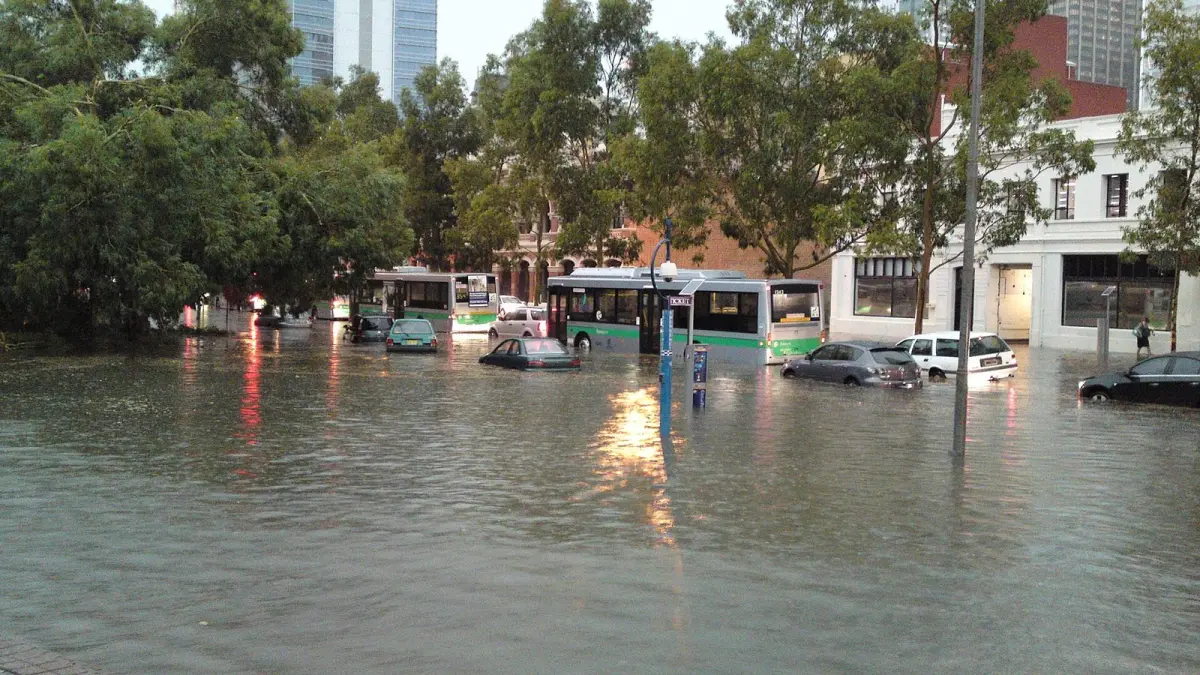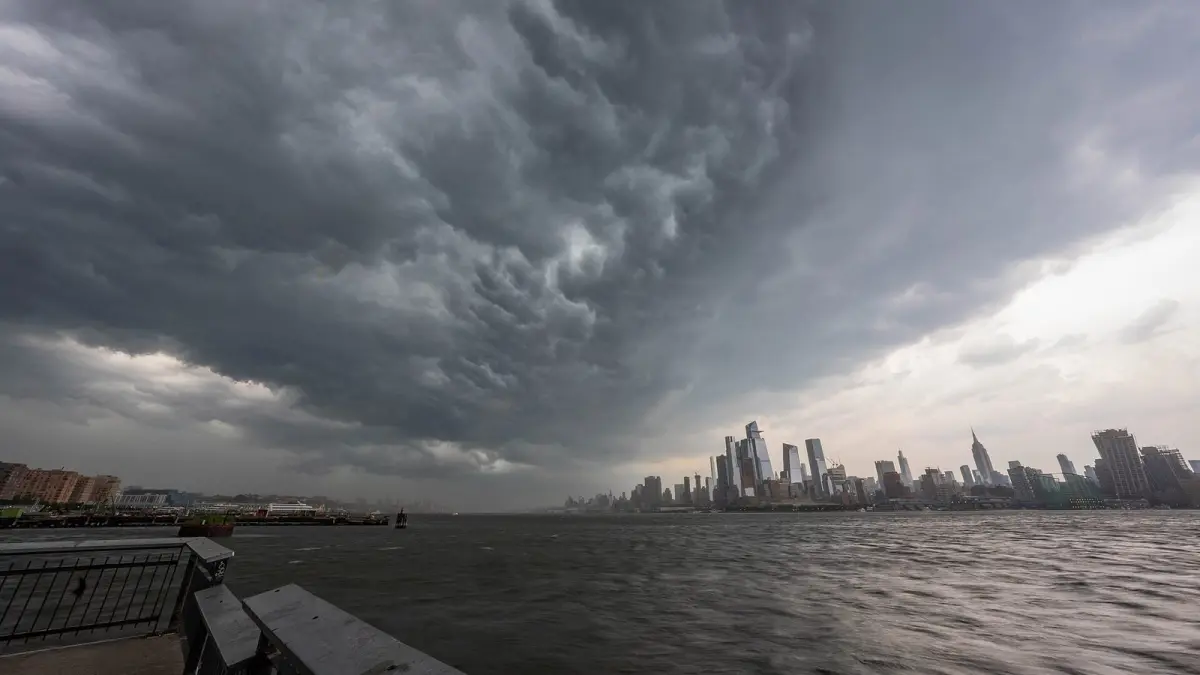
A yellow weather warning means weather that could cause some disruption or danger, usually for specific places or activities, so you should stay aware and check the forecast. Amber (called orange in Ireland, Spain and most of Europe) means you should prepare and may need to change your plans, and red means rare, dangerous weather in which you should act to protect yourself and your property.
Most of Europe, Canada and New Zealand use these colors. The US National Weather Service (NWS) ranks its alerts with words instead: advisory, watch and warning.
Key takeaways
- In the UK, the Met Office issues yellow, amber and red warnings and chooses the color from a matrix that combines how likely the weather is and how severe its impacts could be.
- Met Éireann in Ireland, AEMET in Spain and the Europe-wide Meteoalarm use orange, not amber, for the middle level, and Meteoalarm and AEMET add green for no warning.
- Since 26 November 2025, Environment and Climate Change Canada gives every watch, advisory and warning a yellow, orange or red color.
- In the US, an advisory means be aware, a watch means be prepared because the hazard is possible, and a warning means take action because it is happening or imminent.
- A red warning is rare everywhere and means a real risk to life: follow the instructions of the authorities.
Weather warning colors in order
Weather warning colors go from yellow (lowest) through amber or orange to red (highest), and some systems add green to show that no warning is in force. The names change from country to country, but the order is the same.
| Level | UK (Met Office) | Ireland (Met Éireann) | Europe (Meteoalarm, AEMET) | Canada (ECCC) | New Zealand (MetService) | What it asks of you |
|---|---|---|---|---|---|---|
| No warning | None | None | Green | None | None | Nothing special |
| Low | Yellow | Status Yellow | Yellow | Yellow | Yellow watch | Be aware |
| Medium | Amber | Status Orange | Orange | Orange | Orange warning | Be prepared |
| High | Red | Status Red | Red | Red | Red warning | Take action |
Meteoalarm, run by EUMETNET, the network of European national weather services, gathers the warnings that each national service issues onto a single map.
What does a yellow weather warning mean?
A yellow weather warning means the weather could cause some impacts, but it is usually not a threat to most people: keep an eye on the latest forecast because conditions may change or worsen. The Met Office often issues yellow warnings days ahead, for weather such as heavy rain, wind, snow or ice that may cause travel delays.
Met Éireann describes Status Yellow as weather that is not unusual but brings localized danger, a risk only to people exposed by their location or activity, such as hillwalkers, drivers on exposed roads or people working outdoors.
Yellow does not mean harmless: icy sidewalks or flooded lanes still cause injuries, so read the warning text, not just the color.
What does an amber weather warning mean?
An amber weather warning means there is an increased chance of weather that could disrupt your plans and cause travel delays, road and rail closures, power cuts or a risk to life and property: be prepared and consider changing your plans.
In the UK, amber can mean two different things. On the Met Office matrix, it covers both a high chance of moderate impacts and a lower chance of very severe impacts. The "Further details" section of each warning shows which box was ticked.
In Ireland the same level is Status Orange: infrequent, dangerous weather that threatens life and property over a wider area. Heat in England also has its own system: the UK Health Security Agency issues yellow, amber and red heat-health alerts with the Met Office, separate from the Met Office's own warnings for extreme heat.
What does a red weather warning mean?
A red weather warning means dangerous weather is expected and you should take action now to keep yourself and others safe: impacts such as widespread damage, travel and power disruption and a risk to life are likely. Red warnings are rare. In the UK, fog cannot reach red, because the Met Office does not consider its impacts high enough.
Met Éireann reserves Status Red for extremely dangerous or destructive weather, when people should protect themselves, for example by staying indoors or leaving the danger zone.
A red warning often comes with a phone alert. During Storm Éowyn in January 2025, the UK government's Emergency Alerts system sent a siren-like message to millions of phones in Northern Ireland and parts of Scotland after the Met Office issued red warnings for wind. In Spain, the equivalent is ES-Alert, run by Civil Protection.
Red weather warning in Spain
In Spain, AEMET's red warning means extreme risk from weather of exceptional intensity. On the Barcelona coast, for example, a red rain warning corresponds to 90 mm (3.5 in) in one hour or 180 mm (7.1 in) in 12 hours. Red rain warnings on the Mediterranean coast are usually linked to a DANA, the cold drop storms of Spain.
Watch vs warning vs advisory: how US weather alerts work
In the US, an advisory means hazardous weather is expected but should stay below warning level, a watch means the risk of a dangerous event has increased but its timing or location is still uncertain, and a warning means the event is happening or imminent and you should act to protect life and property.
| NWS alert | Meaning | What to do | Example |
|---|---|---|---|
| Advisory | Less serious conditions, still an inconvenience or risk | Be aware | Winter Weather Advisory |
| Watch | Conditions favor the hazard; it may develop | Be prepared, make a plan | Tornado Watch |
| Warning | The hazard is occurring or imminent | Take action now | Tornado Warning |
Tornado and severe thunderstorm watches are issued by the NWS Storm Prediction Center in Norman, Oklahoma, for large areas. Warnings come from the local NWS forecast office for much smaller areas. The colors you see on the NWS alert map identify the type of hazard, not a level of severity.
The NWS is simplifying its alerts. In October 2024 it merged its cold alerts, replacing the Wind Chill Advisory with a Cold Weather Advisory and folding the Wind Chill Warning into the Extreme Cold Warning. In 2025 it renamed the Excessive Heat Warning as the Extreme Heat Warning. It has also announced plans to replace advisories with plain-language headlines, while keeping watches and warnings as they are.
Weather warning colors in Canada and New Zealand
Since 26 November 2025, Environment and Climate Change Canada (ECCC) colors every watch, advisory and warning, in Ontario and across the country, by expected impact and forecast confidence:
- Yellow, the most common level: moderate, localized or short-lived damage, disruption or health impacts.
- Orange: severe weather with major or widespread impacts.
- Red: rare, very dangerous and possibly life-threatening events with extensive, prolonged impacts. ECCC cited the 1998 ice storm in Ontario and Quebec as an example.
In New Zealand, MetService uses yellow for watches, usually issued one to three days ahead, and orange and red for warnings. Orange warnings are the usual level, and red warnings are kept for the most extreme events, when you should act immediately.
What should you do at each warning level?
These general rules work for almost every hazard:
- Yellow: check the hourly forecast before going out, avoid the most exposed activities (mountains, coast, work at heights) during the warning hours and dress for the conditions.
- Amber or orange: postpone road trips that are not essential, secure garden furniture, bins and loose objects, do not park near rivers or under trees and follow local news.
- Red: stay somewhere safe, do not drive, keep out of basements and underground garages if there is a flood risk, and obey the instructions of the emergency services.
For thunderstorms, read our guide on what to do in a thunderstorm. In an emergency, call 999 in the UK, 112 in Ireland and the rest of the EU, 911 in the US and Canada, and 111 in New Zealand.
How to use Clima de Hoy when a warning is issued
Clima de Hoy does not issue official warnings, but it helps you see when the worst will arrive where you are. When the Met Office puts out a warning for rain or wind, open the hourly forecast for London or your city to see which hours bring the heaviest rain and the strongest gusts.
The rain forecast map animates the rain, wind and clouds forecast by the GFS model hour by hour, and the hourly forecast for Barcelona helps you plan around an AEMET warning. For a US storm, the 7-day forecast for New York shows how long it will last. For the warnings themselves, rely on your national weather service.
Frequently asked questions
Is amber worse than yellow?
Yes. Amber is the middle level of the Met Office system, above yellow and below red. It means a greater chance of significant disruption, such as travel delays, power cuts or a risk to life, and you should be prepared to change your plans.
Is an orange warning the same as amber?
Yes, in practice. The UK calls the middle level amber, while Met Éireann, AEMET, Meteoalarm, Canada and New Zealand call it orange. In all of them it sits between yellow and red and asks you to be prepared.
What is the difference between a watch and a warning?
A watch means conditions are favorable for a hazard such as a tornado or blizzard, but it has not developed yet, so you should be prepared. A warning means the hazard is happening or about to happen in your area, and you should take action at once.
Do schools close for a red weather warning?
A weather warning does not close schools by itself. The decision belongs to local authorities, governments or school boards, which often close schools under red warnings. Check the official channels for your area.
Can a yellow weather warning still be dangerous?
Yes. A yellow warning means most people will not be affected, but some places and activities can still face real danger, such as icy roads, flooded lanes or exposed coastal paths. Read the details of the warning to see who is at risk.
Weather in your city
- Weather in Ciudad de México
- Weather in Londres
- Weather in Nueva York
- Weather in Bogotá
- Weather in Madrid
- Weather in Buenos Aires
- Weather in París
- Weather in Barcelona
- Weather in Valencia
- Weather in Sevilla
- Weather in Málaga
- Weather in Bilbao